Schiphol tests world's first all-electric TaxiBot since May
Since May 2026, Amsterdam Schiphol Airport has been using the world's first all-electric TaxiBot, in cooperation with easyJet, Airbus and ground handler Menzies, to tow Airbus A320 aircraft from the gate to the Polderbaan runway without their engines running. According to heise online, as of mid-June 2026 only this single unit was in operation, while Schiphol was expected to deploy three more electric vehicles later that year.
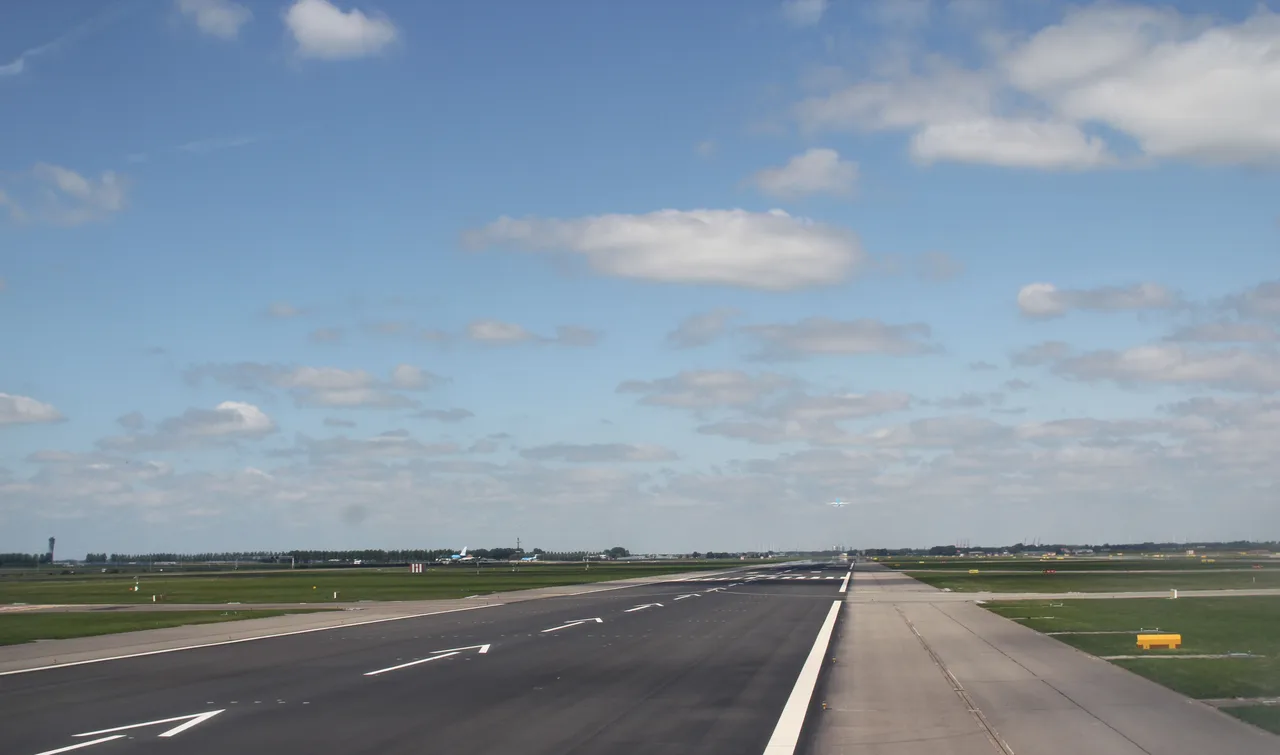

The electric TaxiBot expands a fleet of two hybrid vehicles that have been towing KLM's Boeing 737 aircraft on the Polderbaan runway since 2022. According to the airport's statement from May 2026, the new unit was so far the only all-electric TaxiBot in the world, and in its first months of operation Schiphol used it mainly to gather practical experience.
The vehicle was supplied by Smart Airport Systems and can tow an aircraft at speeds of up to 23 knots, or roughly 42 kilometres per hour. The pilot controls the TaxiBot directly from the cockpit, and the aircraft's engines are started only just before takeoff on the runway. An employee sits inside the vehicle and drives it back to the departure gate once it has disconnected from the aircraft, ready for the next flight.
Schiphol deploys the TaxiBots specifically on the Polderbaan, as it is the runway with the longest taxi time of all the airport's runways, making the fuel savings there the most significant. According to the airport, taxiing without the aircraft's engines running can save up to 65 percent of kerosene, which also reduces emissions of CO2, nitrogen oxides and particulates, and cuts noise on the apron.
- TaxiBot supplier
- Smart Airport Systems
- Max. speed
- 23 knots (42 km/h)
- Potential fuel savings
- up to 65%
- Runway in use
- Polderbaan
- Electric TaxiBots in operation
- 1 (as of June 2026)
Planned expansion (as of May–June 2026)
- According to its May 2026 statement, Schiphol expected delivery of three more electric TaxiBots later in 2026.
- Per the same statement, the airport was working on certifying the vehicles for KLM Cityhopper's Embraer aircraft.
- According to the airport's May 2026 statement, Transavia was expected to join the project soon with its Boeing 737 fleet.
- On 11 June 2026, heise online described the three additional electric TaxiBots and the expansion to Cityhopper and Transavia as still a future plan, not yet realised.
As of 22 September 2026, when sources on this topic were last checked, no report could be found confirming that Schiphol had actually taken delivery of or deployed the three additional electric TaxiBots between June and September 2026. Whether the fleet expansion and the certification for the Embraer and Transavia aircraft have taken place to date thus remains unconfirmed.
The introduction of the TaxiBot was commented on by Esmé Valk, a member of the Royal Schiphol Group executive board responsible for HR and transformation, who said it was a concrete step towards reducing emissions and noise on the apron and towards modernising the airport for the future. On behalf of easyJet, William Vet, the airline's country director for the Netherlands and Scandinavia, said the technology is currently being deployed on four Airbus A320neo aircraft, and that engine-off ground operations are made possible in part by the key role of partner Menzies Aviation.
The airport's press release does not specify the exact taxi time on the Polderbaan. According to an older Simple Flying article based on 2021 Eurocontrol data, landing and departing via the Polderbaan at the time added roughly 15 minutes to total flight time compared with other Schiphol runways, while the airport-wide average taxi time from the gate was then 12.7 minutes; however, these figures are several years old and do not reflect the current situation.
Passengers and spotters following easyJet, KLM, KLM Cityhopper and Transavia flights at Schiphol can track traffic at the airport and on the Polderbaan runway on map.flights.